What's the Best Board Game?
People ask me this all the time. At its peak my collection ran to three hundred-something boxes, I've played through a lot of them, trust me, and the question "so what should we play, what do you recommend?" has been chasing me for years. So I decided to put together a few games, across different categories, that won't let you down.
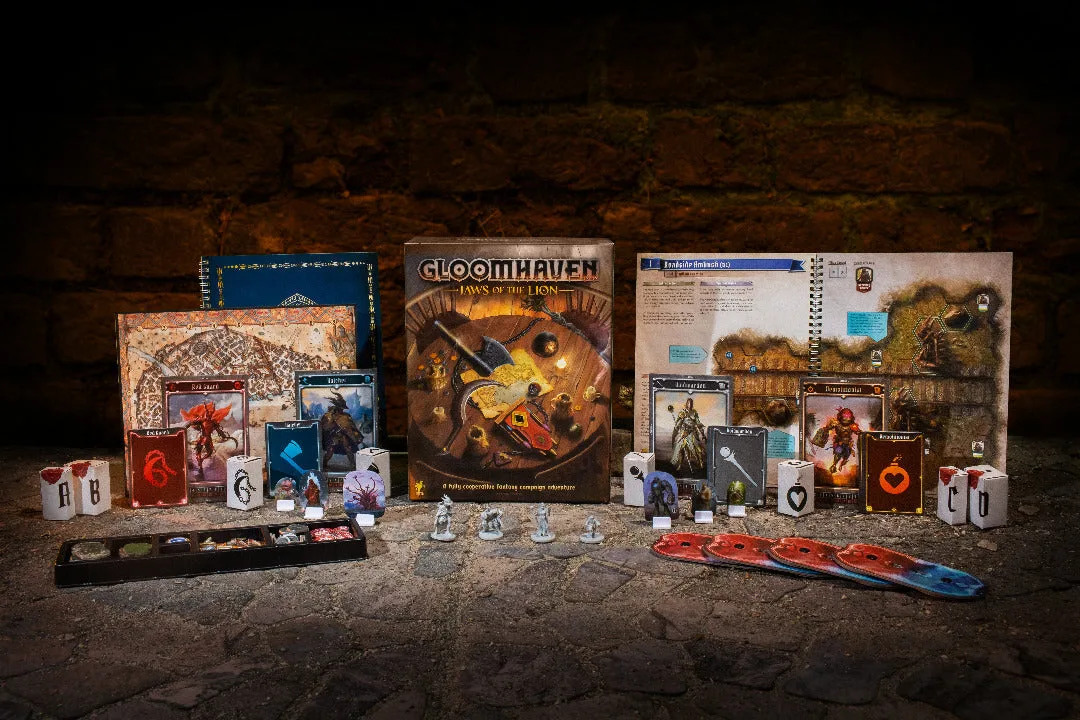
Gloomhaven: Jaws of the Lion
A masterpiece of a dungeon crawler. On paper it's a fairly brainy game and you need to know how to play it, but god, the balance, the synergy between the cards and your character. I don't know how they do it, but you win on your last card, on your last hit point. And when you lose, you always know exactly what you did wrong. Tons of scenarios, four characters in the box with real progression, a quick and painless setup, and the best part — the price: fifty bucks for a good fifty hours of content! I don't recommend its big brother with a 120-hour campaign, or the new Frosthaven, which runs god knows how long, because realistically you don't have that much life left, and your friends certainly don't. Components, gameplay, replayability, and that price — I don't think anything has topped this little box. An absolutely brilliant game, can't recommend it enough. My wife and I run it as a two-player game; getting a bigger party together is the hard part.
Terraforming Mars
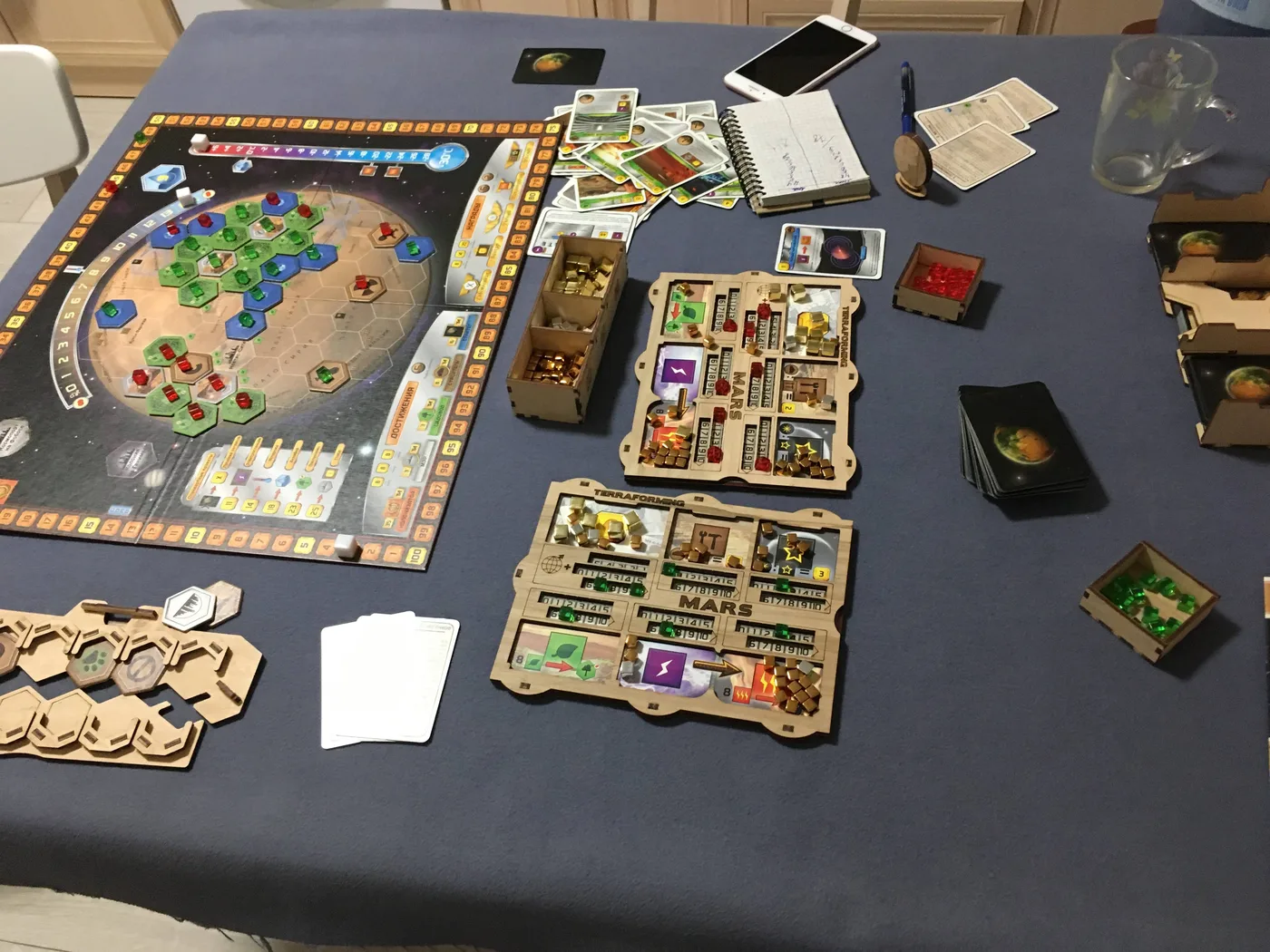
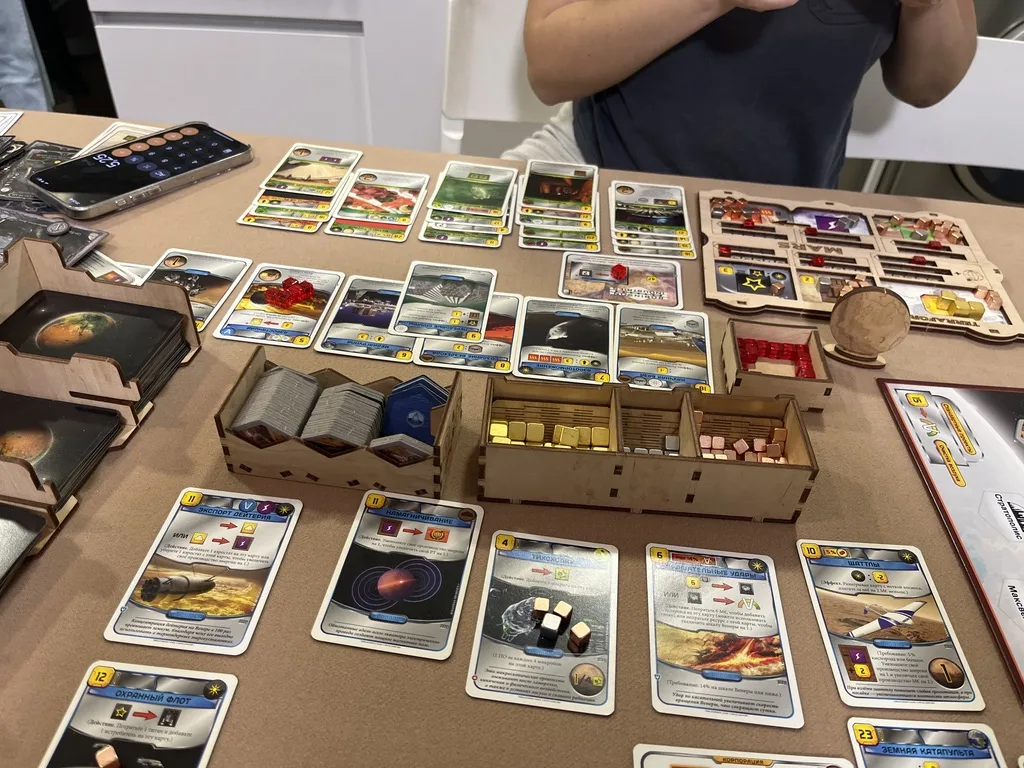
Terraforming Mars is something else. Over two hundred cards, unbelievable combinations of things you can build, and no two games ever look alike. I don't know what you call the genre where you get a huge pile of cards and try to squeeze the maximum out of a random deal every time, but every game is a battle with my wife and every game is a new experience. Fair warning: the standard edition has some issues with component quality and the player boards, so buy the organizer and the proper dual-layer boards right away. I also picked up metal cubes, but that's pure indulgence. As a two-player game it's an absolute hit in our family.
Clank!
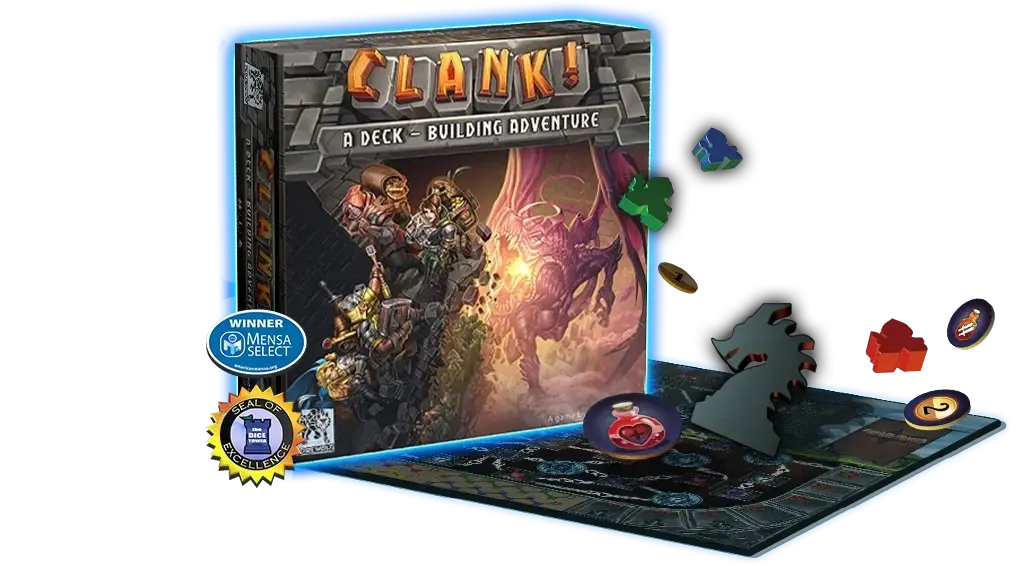
The Clank! series, from the regular one to the legacy version: grab any of them, you can't go wrong. Very simple, very fun, best with three to five players. It doesn't run long, if you don't drag it out, and there are plenty of ways to throw a friend under the bus. What else do you need.
Detective
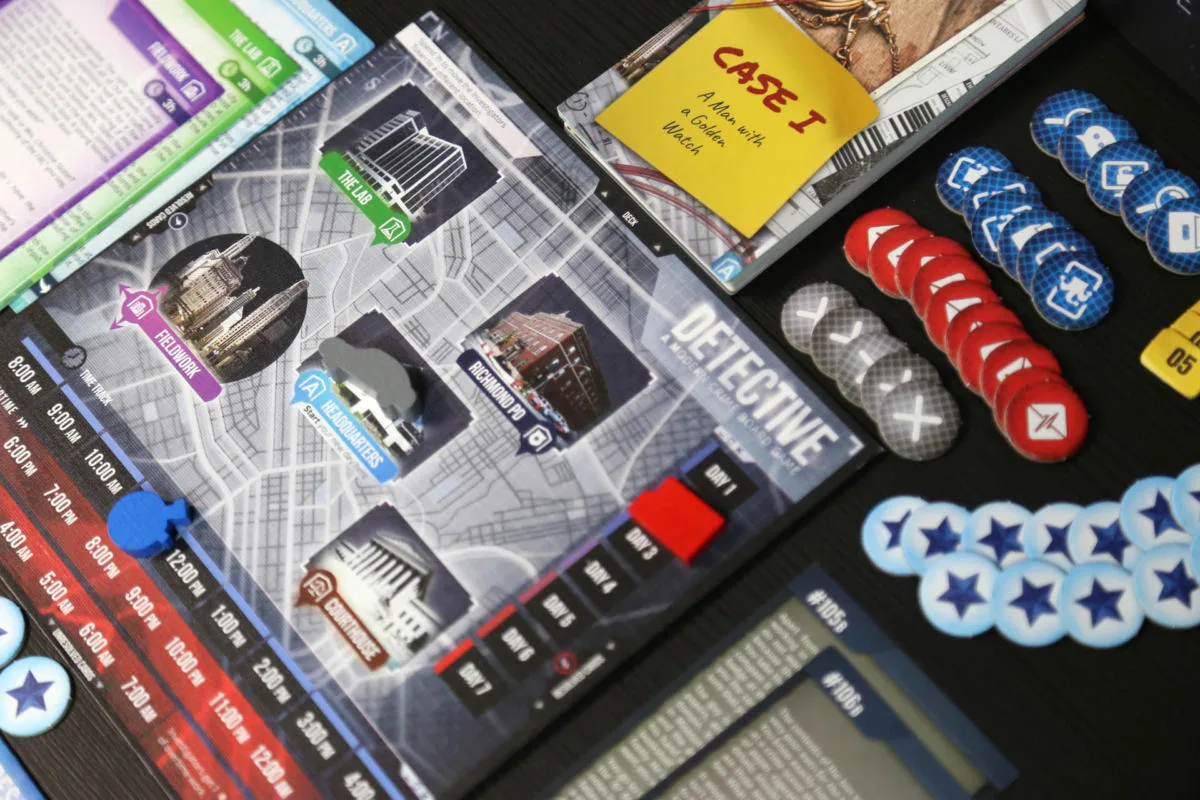
My wife and I adore detective shows: Castle, The Mentalist, Bones, Columbo (if you're old enough) — all rewatched twenty times over. And there are board games that let you step into those detectives' shoes and try to crack a case yourself. There are quite a few, some harder than others, but the one that stuck with me is Detective: A Modern Crime Board Game. You'll need a computer. The game essentially hands you a simulated police database and leans heavily on the actual internet for solving its puzzles. I can't spoil any more than that, sadly. You have to play it yourself and enjoy the process. Not all the cases are equally good, but some are genuinely excellent.
Unlock!
Escape rooms: you can play these at the table instead of grimy basements and secret rooms in apartment blocks (those who've been know exactly what I mean). Sure, the weird rooms and flats have their charm, all those physical gimmicks. But if you really want to play at home, the Unlock! series is our favorite: clever, logical escape quests (hi, Exit), an app that gives you hints and makes the whole thing more interactive, and a different style and theme every time — you genuinely feel the atmosphere of each adventure. The downside, same as every game of this kind: they're one-shot. Once you've solved it, sell it, gift it, or shelve it until you forget what was inside.

Brass: Birmingham
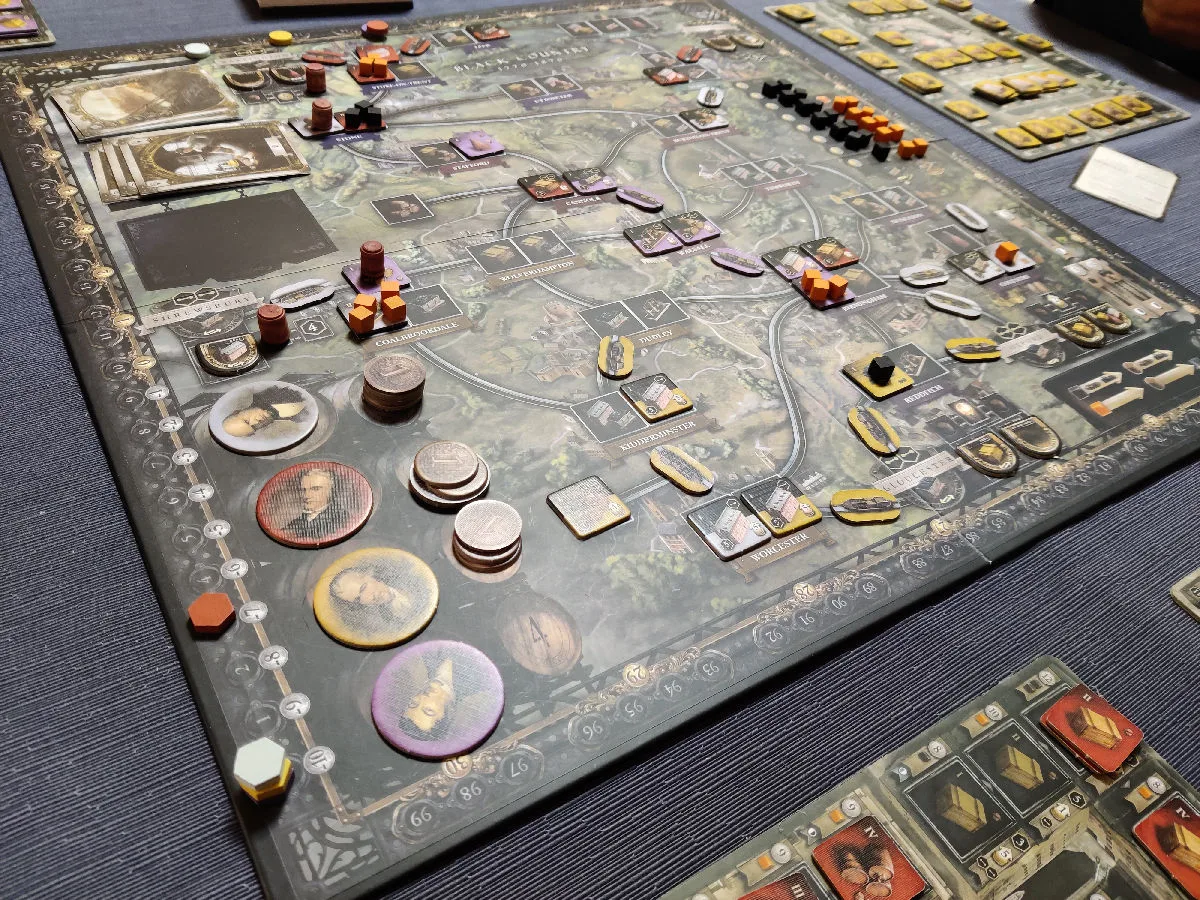
I love economic games: money, income, all of that. But I despise Monopoly — a game where you literally decide nothing and nothing depends on you. It's nonsense; how people keep fussing over it, and why, is beyond me. Thank god there are proper games where your decisions matter and decide the outcome, and most importantly, shape the outcome for your opponents. The Brass series by Martin Wallace is my favorite. The components are superb: the deluxe version has literal poker chips, the board looks downright gorgeous, and the whole art direction is stylish as hell. Very unusual mechanics (this isn't your dice-chucking) and the best interaction model I've seen in this kind of game: everyone at the table depends on everyone else and on each other's decisions. I've seen proper backstabbing there, and I've seen genius moves where you literally force your opponent to play the way you need them to. Nobody here gets to quietly tend their own garden: it's direct competition inside one interconnected system. Highly recommended. Two to four players, but four is where it gets really interesting.
London
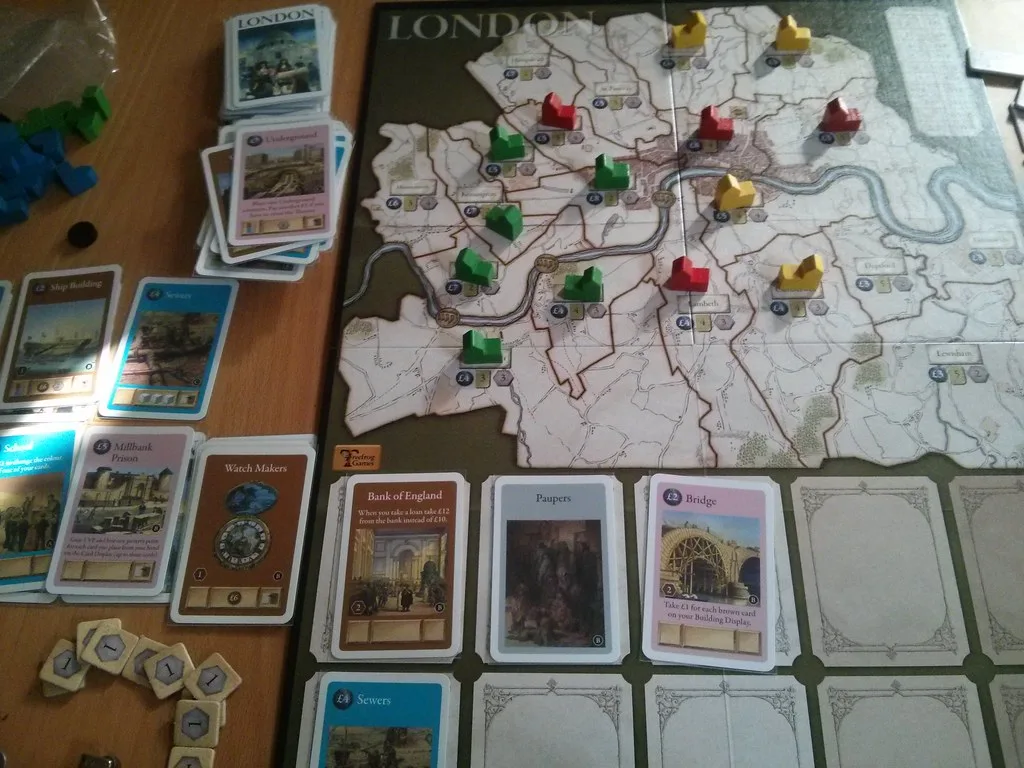
My little love, and Martin Wallace again, see above. London is a small box with a ridiculous number of clever mechanics inside. It's strictly a card game: there is a board, but it's nominal. There's a caveat, of course. Know the deck well and some cards are clearly better than others. I honestly can't explain why I love it so much, but I do, for the life of me. It's a balancing act between wealth and poverty, where you rake in a pile of money and then blow it all on other cards, where you live on the edge between failure and success. One wrong decision and you're simply done; one right one, plus some luck with the cards, and you're riding high. That emotional ride is probably why I love it. Strictly two players. And I won't even recommend it: it's my game, and good luck finding a copy these days anyway. But if you ever see one — take it, you won't regret it.
Through the Ages
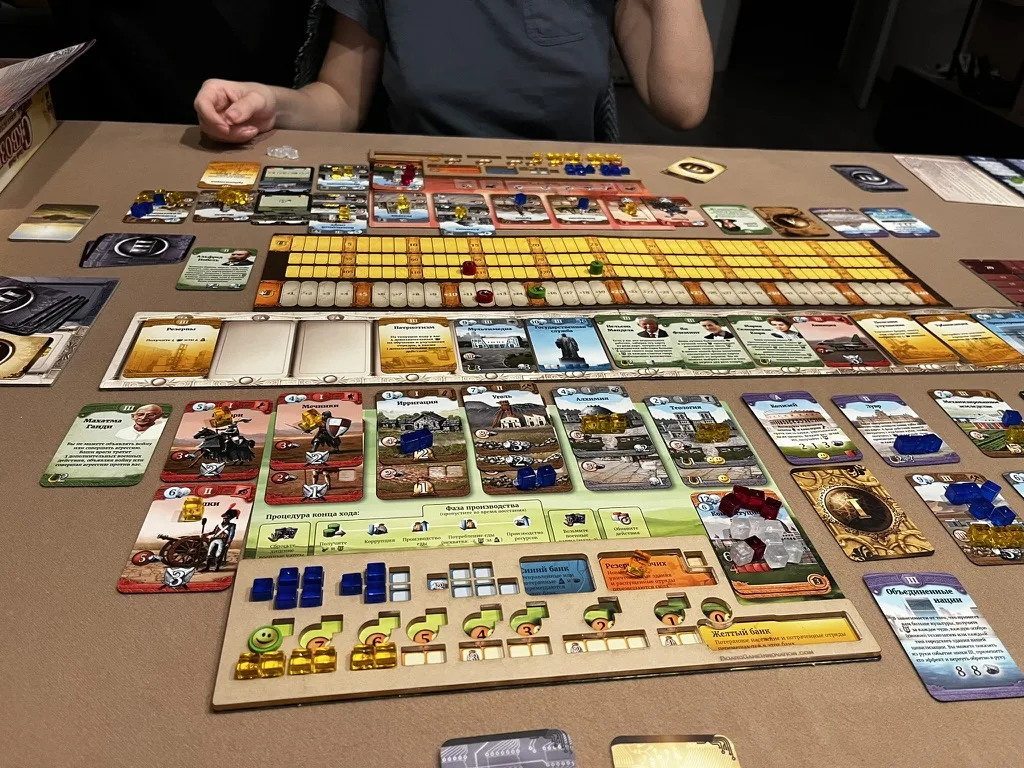
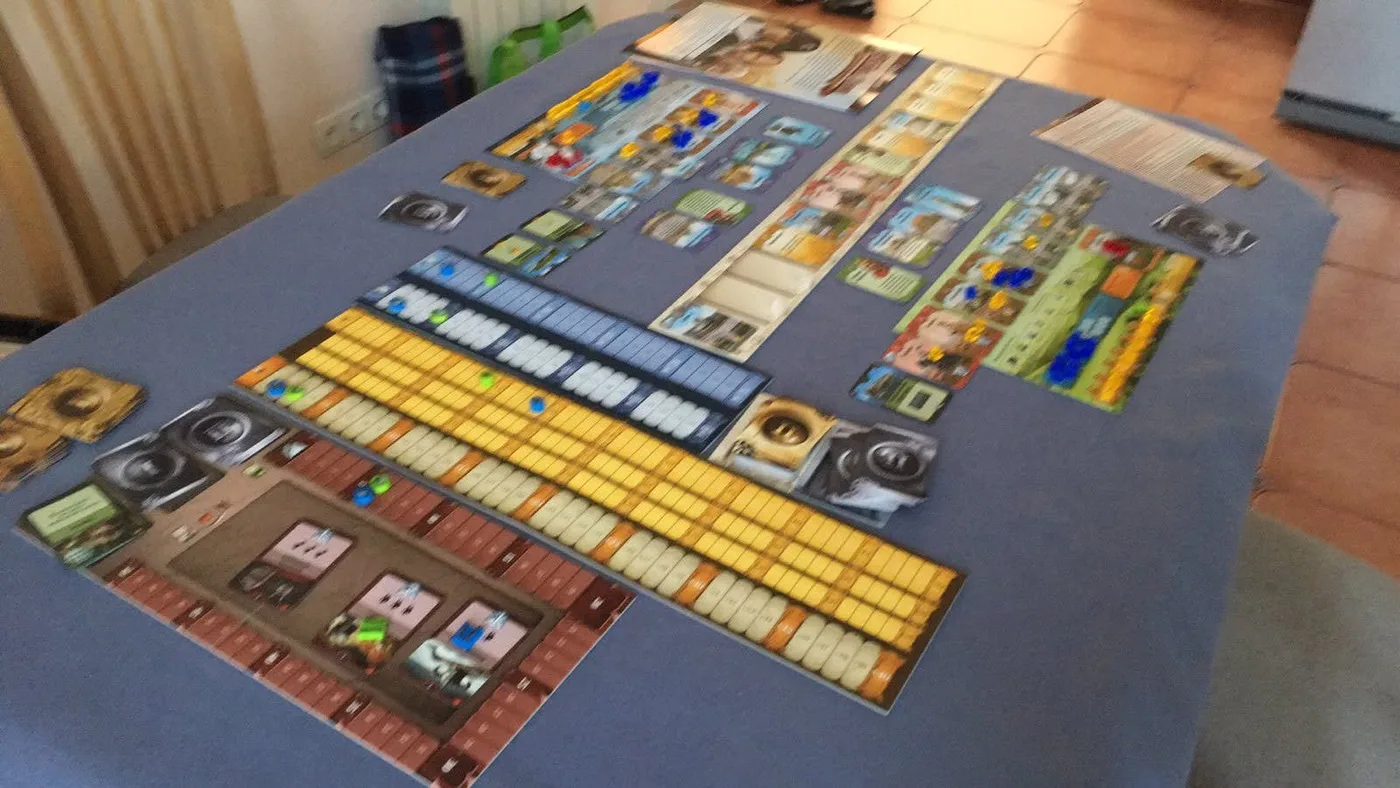
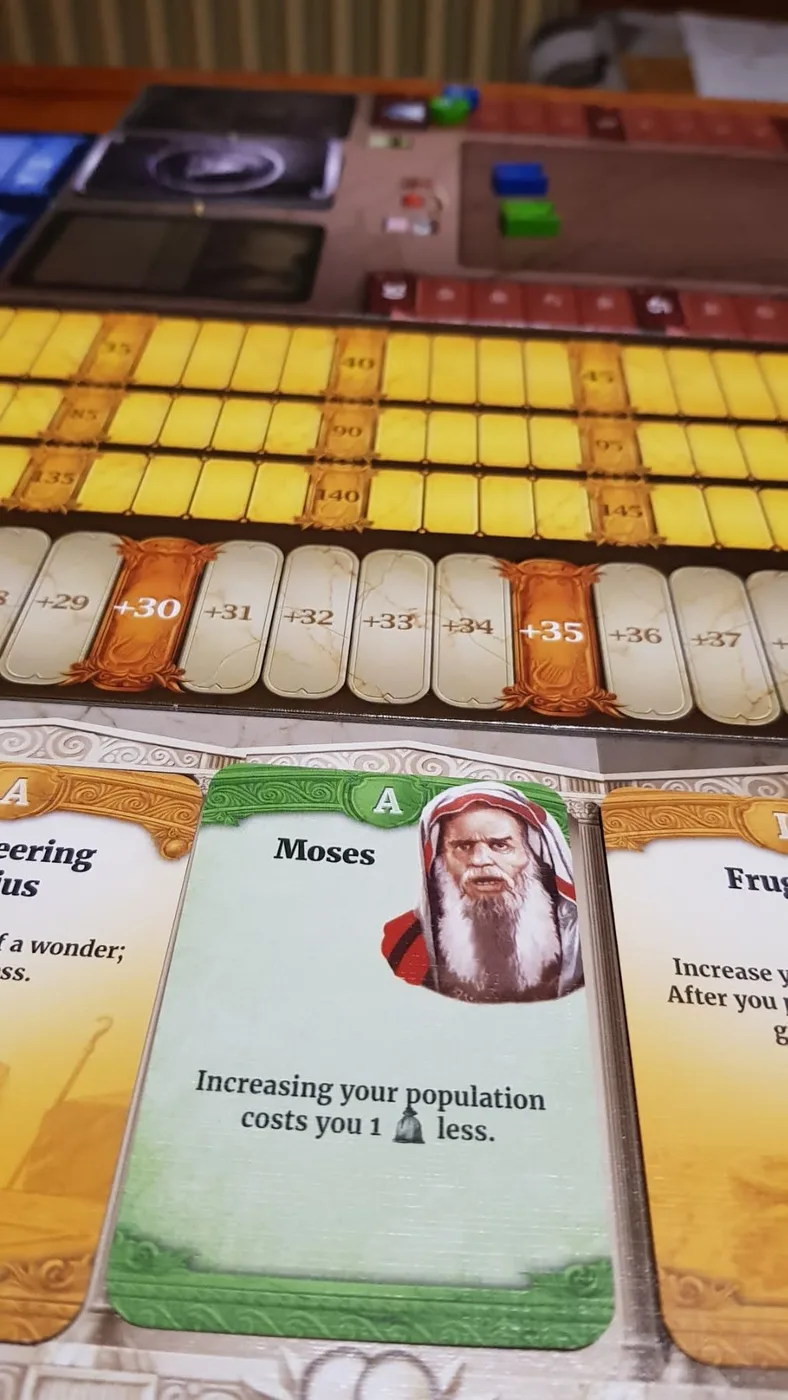
The monster civilization game, the mother and father of all civilization games. Through the Ages is a minimum, again, a minimum of eight hours of uninterrupted play with two players. Don't even attempt it with three or four: you will never, ever finish. The game has three small boards, no world map at all, really just mats for holding playing cards. And hundreds of cards: war is in there, peace, science, culture. How any of this works, I have no idea, but it works. You sit down intending to quietly build a civilization with your wife and see who scores more points, and it all rapidly turns into a bloodbath: the constant threat of war, resource shortages, the fight for colonies. And all of it on ordinary playing cards. How, tell me, how does this all work?! I can only recommend it if you're a proper geek. Not just any geek — that exact breed of nerd who's ready to fight with a friend or a spouse for eight hours straight — and not fall out, and not get divorced, when that snake declares war on you out of nowhere.
Mage Knight
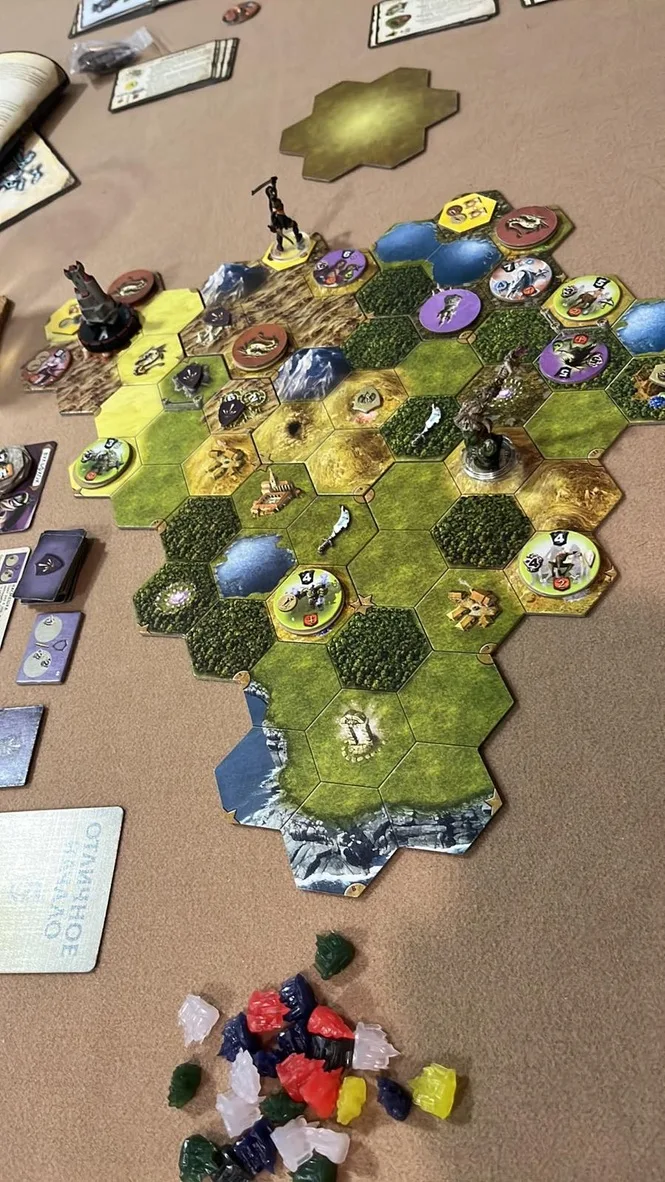
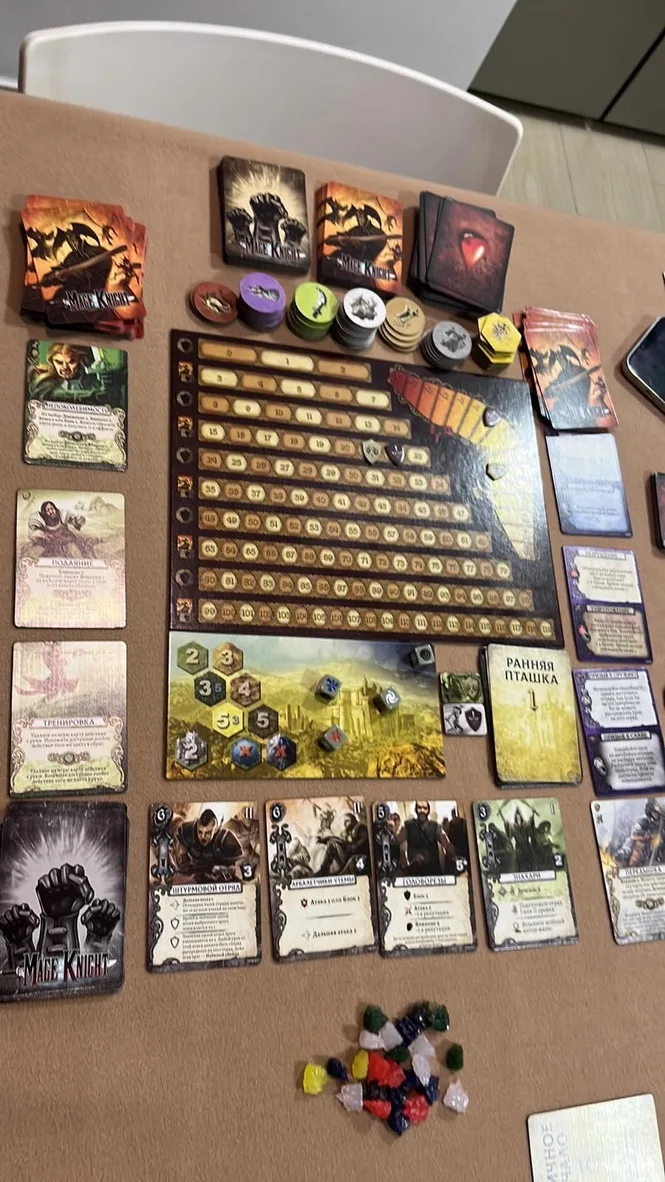
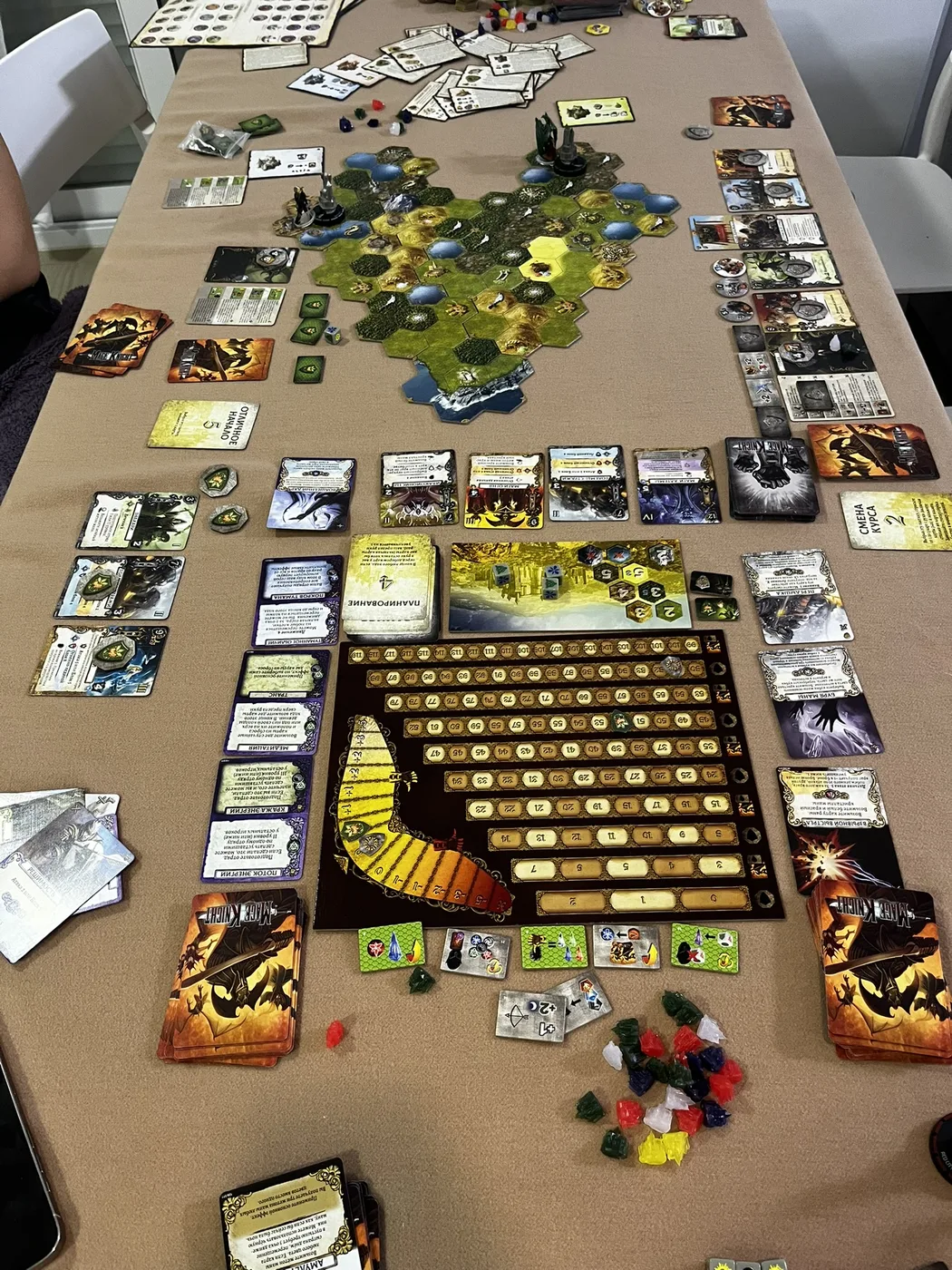
Some games have mechanics better than the game itself. The deck-building in Mage Knight is absolutely brilliant, but everything around it is so convoluted that I'm not prepared to actually play it. I just sit down sometimes purely for the deck-building system itself, for that card synergy: chaining combo after combo, wriggling like an eel in a frying pan to squeeze out one more play and deal damage to some nameless monster. At its core it's tabletop Heroes of Might and Magic: you move, you flip a tile, you hire units, you kill monsters — that's it, there's nothing else. I could spend hours criticizing this game: how tangled it is, how dull the missions are, how arbitrary the random monsters feel. But god, the card mechanics in there are gorgeous. Oh, if only there were an option to get this engine in some other wrapper.
Alchemists
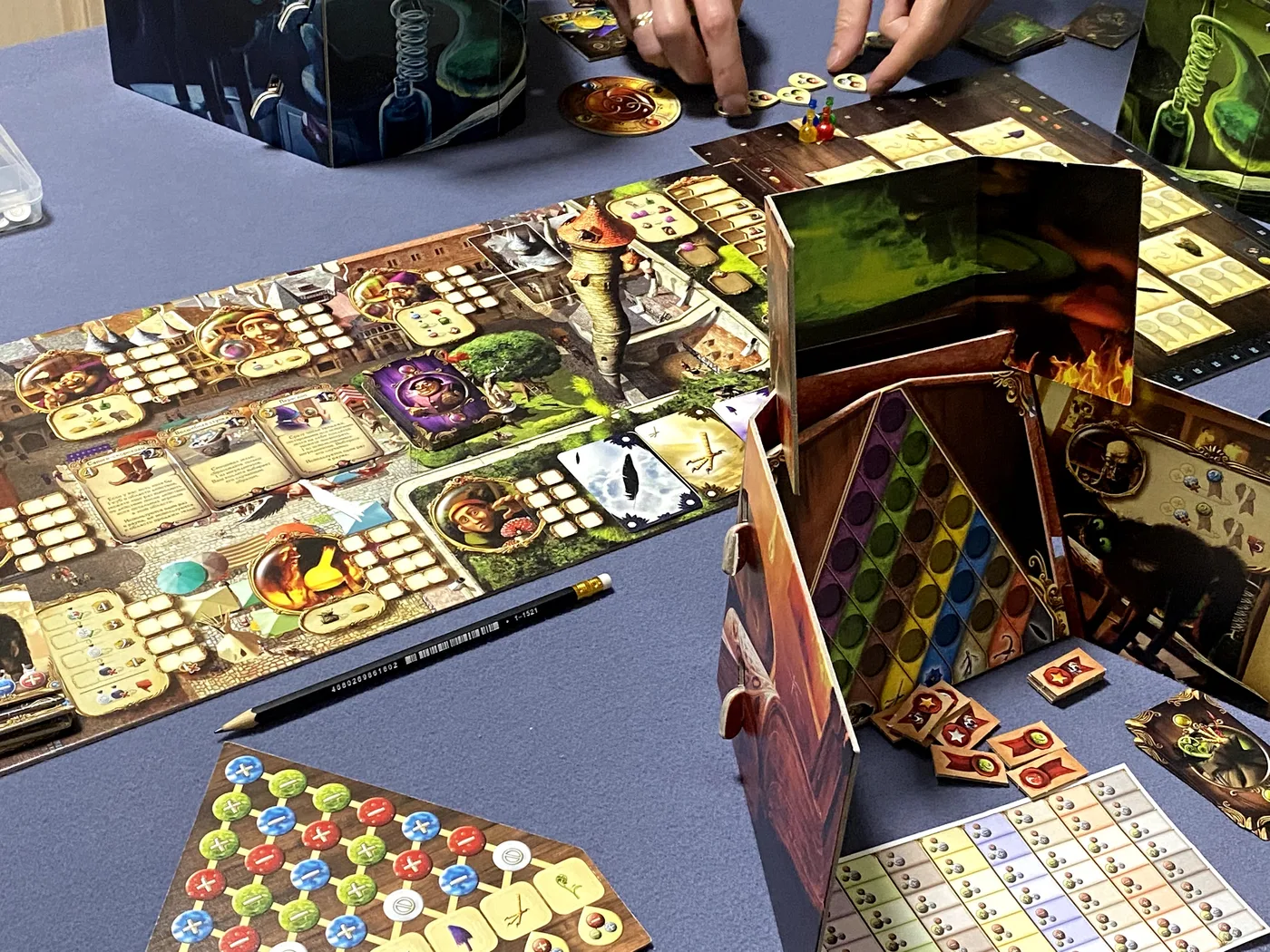
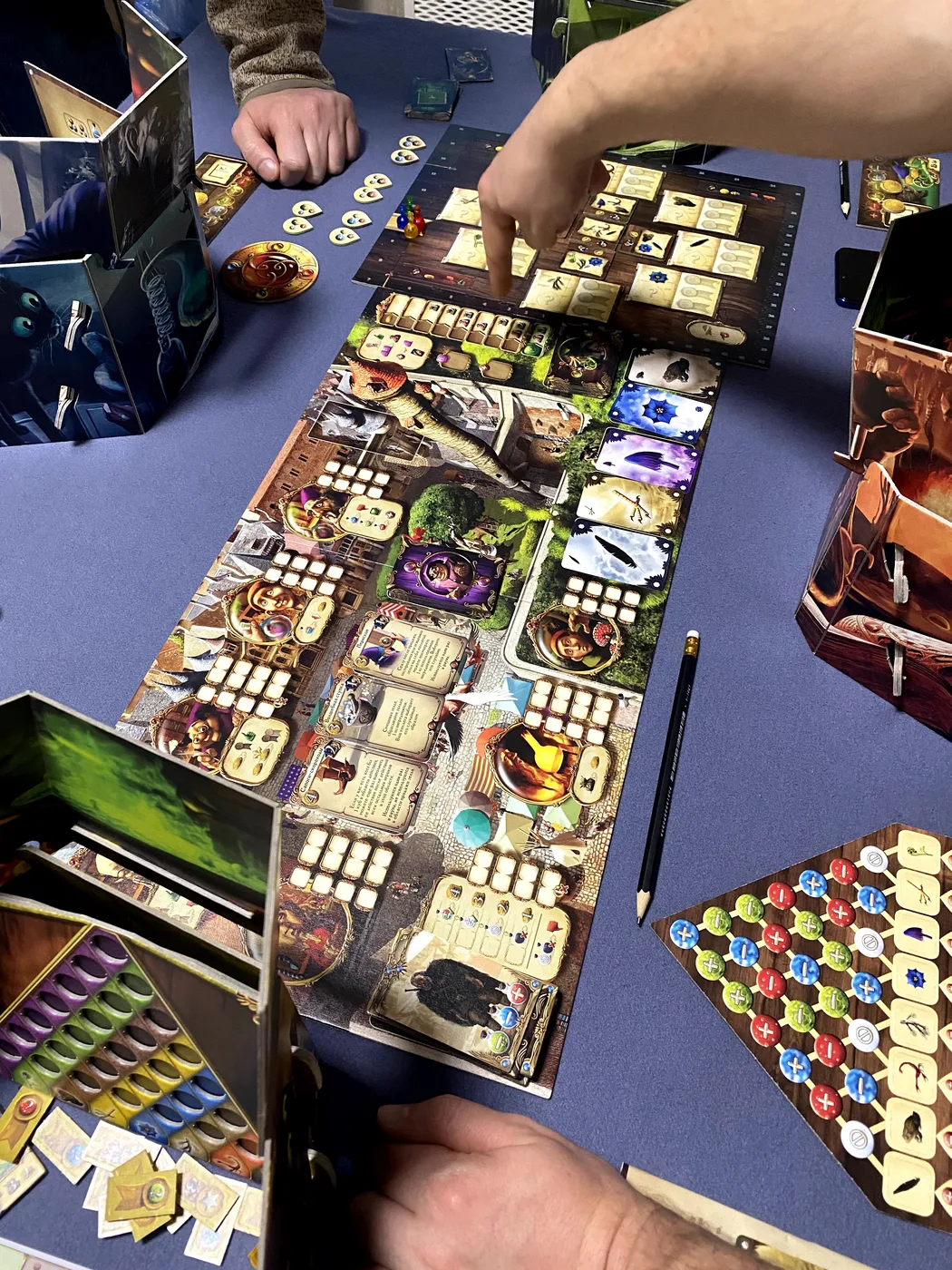
There's this thing called a puzzle. Now imagine solving a puzzle while playing a board game: that's Alchemists. I haven't played a harder game — and not because the rules are complicated. The point is that you have to crack something like a sudoku puzzle and somehow play the game at the same time. Your solution, even a partial one, has to be woven into your play: publishing theories, debunking your rival's publications and even your own, taking risks, guessing, exploiting your opponent to extract more information for the puzzle. Only to find out later that you got it wrong, solved the whole thing incorrectly — and won anyway. That's Alchemists for you.
Cosmic Encounter
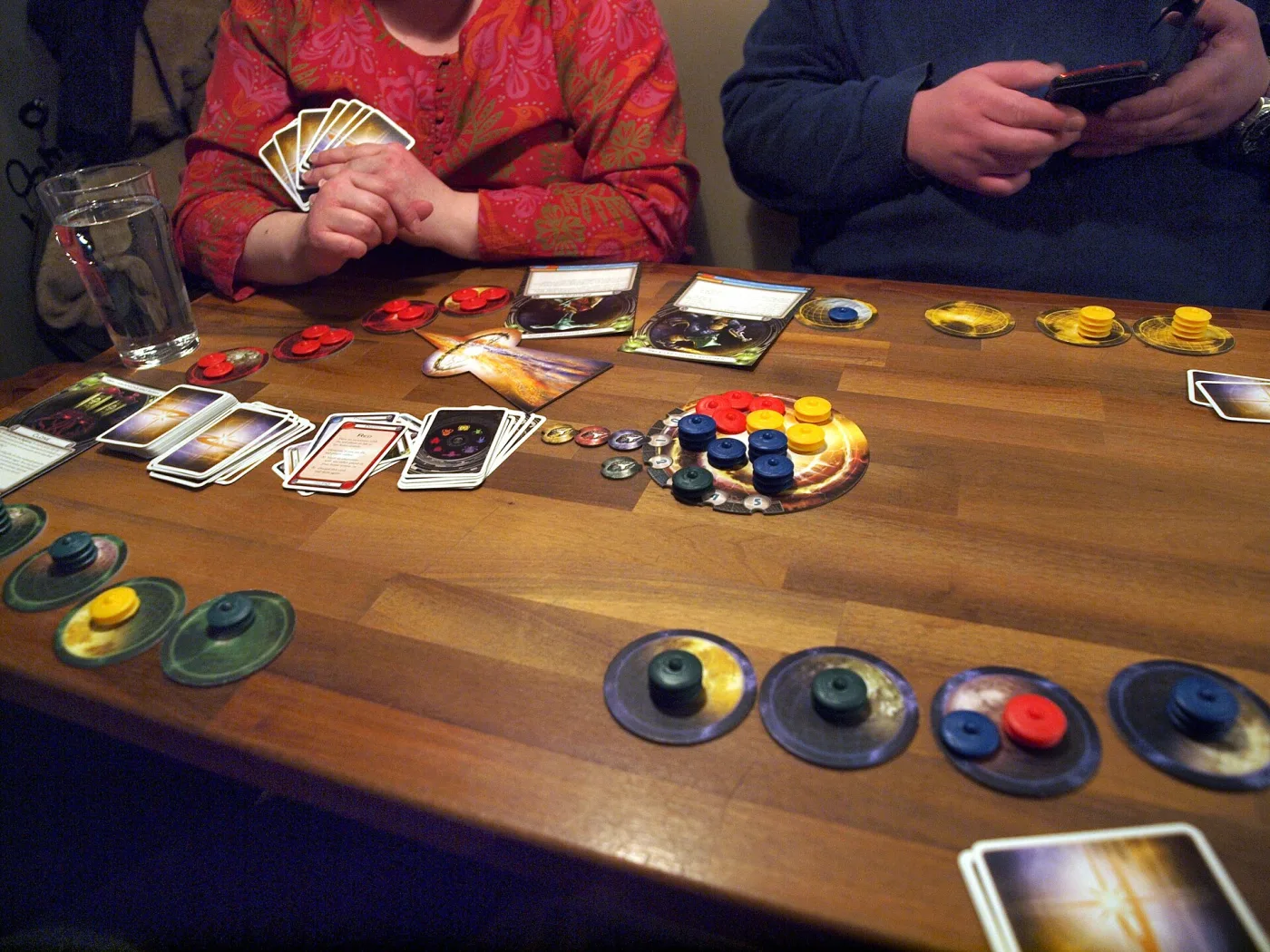
There's a pile of social games out there: all the Mafias, Dixits, Imaginariums, Codenames. They're fun for a couple of plays, then it all starts wearing thin: you get the emotions, but mechanically it's, well, whatever. And there's one game that simply tears those Mafias and Dixits apart in a single breath. Betrayal on the level of Cosmic Encounter you have never seen or experienced in your life. The box holds fifty aliens, broken from start to finish. Some swap cards with you. Some get to peek at the combat card the whole battle hinges on. There's even a Bride character who picks herself a husband and can look at his cards, the husband can't attack her, and when she divorces him, she takes half his cards. Can you picture the level of madness at a table with characters like these? If you haven't played it you won't get it, and if you have, you already know exactly what I mean. This game destroyed every social game for me. The fun bar is set so high that nothing else even comes close.
So that's my little selection. Have fun out there.
Photos: El Pantera, wetwebwork, JIP · CC BY-SA / CC BY. Press photos: © Cephalofair Games, Dire Wolf Digital, Portal Games, Space Cowboys. The rest of the photos are mine.

